September 24, 2026
Denver’s Go-To Guide for Jamaican Food
By @trentontaiu423
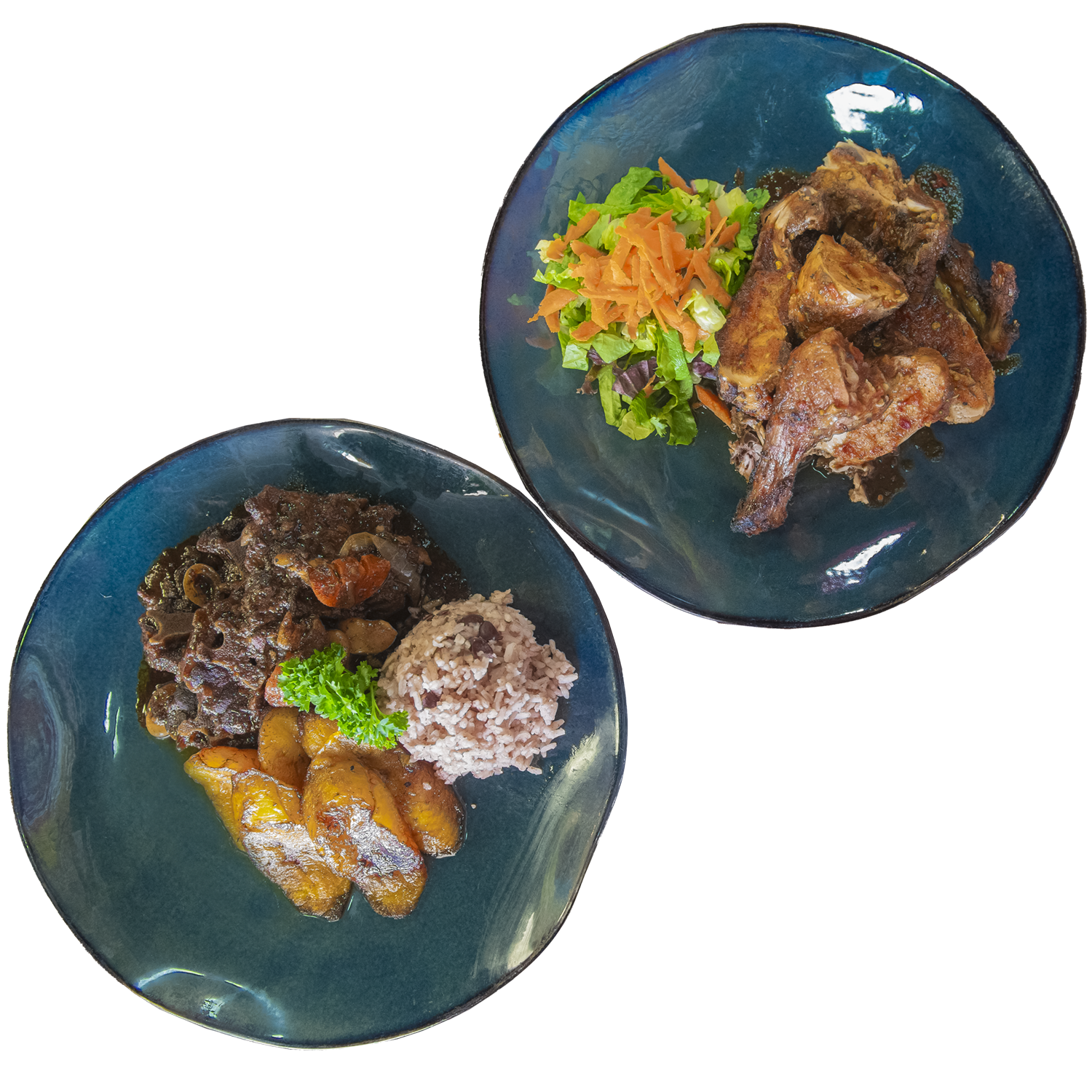
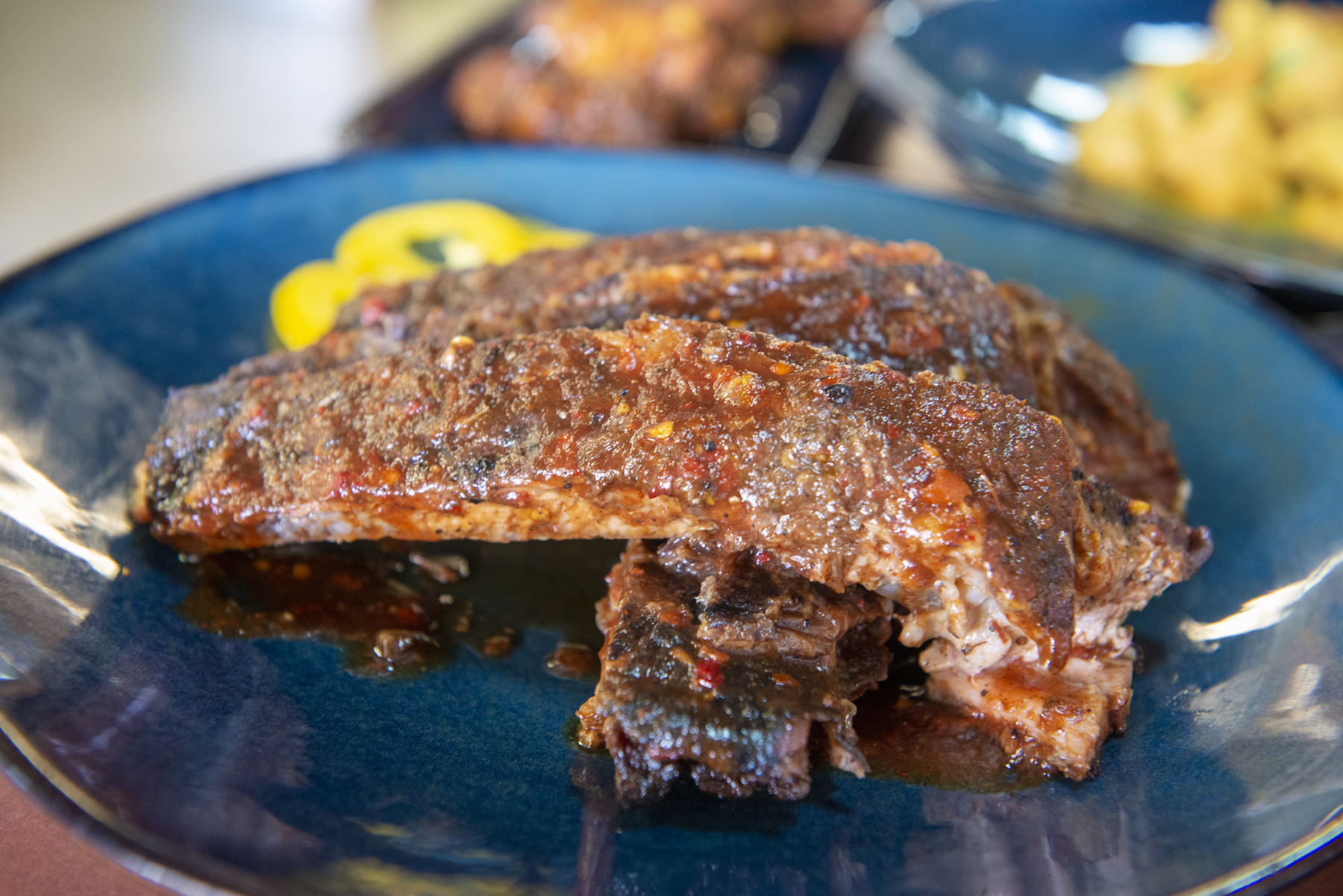
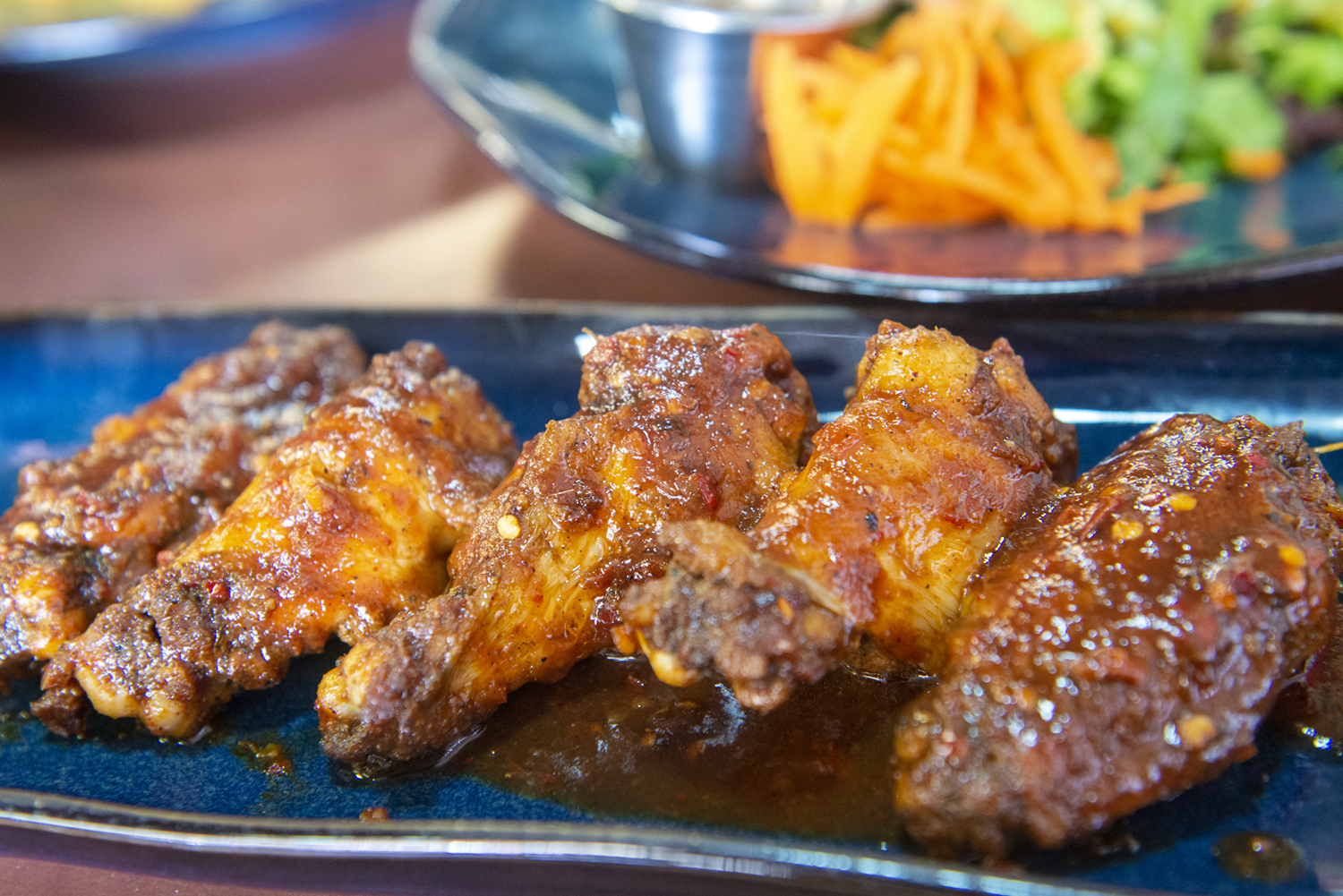
Denver has become a far more interesting food city than outsiders often expect. The usual talking points still show up, green chile, craft beer, steaks, mountain-town comfort food, but the city’s real character comes through in the restaurants and kitchens that carry family recipes across borders. Jamaican cooking is part of that story. It may not have the same footprint here as Mexican, Vietnamese, or Ethiopian food, yet the places doing it well deliver some of the most vivid, memorable meals in town.
If you are looking for jamaican food denver diners actually return to, not just try once for novelty, it helps to know what makes the cuisine distinct and what to order first. Jamaican food can look straightforward on a menu, jerk chicken, curry goat, oxtail, patties, rice and peas, but the difference between average and excellent is huge. The best versions balance smoke, spice, sweetness, aromatics, and slow-cooked depth in a way that feels generous rather than heavy. When it is done right, every plate carries both intensity and comfort.
Denver is also a city where context matters. The climate is dry, rent is expensive, and neighborhood dining habits can be fickle. Restaurants often need to balance authenticity with practicality, especially when sourcing specific ingredients, training customers, and running a small operation in a competitive market. That makes the strongest Jamaican spots here all the more impressive. They are not just serving food. They are preserving technique, adapting smartly, and giving diners a reason to come back for the dishes they did not know they needed.
What Jamaican food should taste like
A lot of people approach Jamaican cuisine expecting everything to be fiery. Heat matters, but it is only one part of the picture. Scotch bonnet peppers bring fruitiness as well as spice. Allspice, called pimento in Jamaica, gives jerk and other dishes their unmistakable warmth. Thyme, scallion, ginger, garlic, onion, and curry blends are foundational. Browning sauce adds color and a faint bittersweet note in stews. Coconut milk softens and rounds out certain dishes. Freshness matters, but patience matters more. Many of the best plates come from marinating, braising, simmering, and allowing flavors to settle into one another.
Jerk is probably the most widely recognized style, and it is also one of the most misunderstood. Proper jerk is not simply grilled chicken with spicy seasoning. It should smell of allspice and thyme before you even take a bite. The exterior ought to be deeply seasoned, with char in the right places, and the heat should build rather than hit like a blunt instrument. Good jerk leaves room for the meat itself to taste like chicken, not just a delivery system for a sauce.
Then there are the braised dishes, which often become the sleeper favorites for first-time diners. Oxtail should be soft and glossy, with gravy that has real body. Curry goat needs tenderness and complexity, with spice that lingers but does not flatten the palate. Brown stew chicken is less flashy than jerk, yet often reveals the kitchen’s discipline. It depends on balanced seasoning and careful reduction, not theatrics.
Sides are not filler. Rice and peas, usually made with kidney beans and coconut milk, should be fragrant and distinct, not mushy. Cabbage can provide needed brightness and texture. Fried plantains can lean sweet or caramelized, acting almost like a sauce when eaten alongside jerk or curry. Festival, the slightly sweet fried dough often served with fish or jerk, adds contrast that many diners do not realize they need until it is on the plate.
Why Jamaican food fits Denver better than people think
Denver’s dining culture tends to reward food that is bold, shareable, and rooted in a strong point of view. Jamaican cooking checks every box. It travels well, which matters in a city where takeout and delivery often shape a restaurant’s reputation. It also suits a wide range of appetites. Someone can stop in for a beef patty at lunch, settle in for an oxtail dinner, or grab a family-style spread with jerk chicken, curry, rice and peas, and plantains for a casual gathering.
There is another reason the cuisine works here. Denver diners have become more curious over the past decade. They are more willing to chase a specific dish across neighborhoods, more patient with menus that do not explain every term, and more appreciative of smaller owner-operated places. That shift helps cuisines with deep regional identity. Jamaican food does not need to be translated into something generic when customers are open to learning through eating.
The dry climate even has a strange way of sharpening cravings for rich, saucy, slow-cooked food. On a cold evening, few meals land as satisfyingly as curry goat over rice or a plate of jerk chicken with cabbage and peas. In summer, spicy grilled meats and bright sauces feel just as right. The cuisine has range. It can be celebratory, weeknight practical, late-night satisfying, or the exact thing you want after a long day when a salad would feel like punishment.
How to read a Jamaican menu with confidence
For newcomers, the menu can be the only barrier. Once you know the basic categories, ordering becomes easy.
Jerk usually means a dry-rubbed or wet-marinated preparation with heavy aromatic seasoning and some level of heat. It is often chicken or pork, though fish and tofu versions show up too. The quality depends on marination time, grill execution, and whether the kitchen respects the balance between smoke and spice.
Curries in Jamaican cooking are distinct from many Indian or Thai curries, though there are clear historical connections. Jamaican curry powder has its own profile, and the finished dish tends to be less sauce-forward than what some diners expect. Goat is the classic order if you want the most traditional expression, but chicken is more common and usually more accessible.
Stewed dishes are worth serious attention. Brown stew chicken, oxtail, and occasionally red pea soup or escovitch fish can tell you a lot about the kitchen. These plates require patience and seasoned instincts. They cannot be faked with a last-minute drizzle of sauce.
Patties deserve more respect than they often get. A good beef patty is not just a quick snack. The crust should be flaky, lightly stained golden with turmeric or annatto, and sturdy enough to hold a rich filling without turning greasy. Spicy beef is common, but chicken, vegetable, and sometimes curry fillings appear as well. In some places, you can order a patty inside coco bread, which turns a humble pastry into a full meal.
The dishes most worth seeking out in Denver
If you are exploring jamaican food denver restaurants offer, a few dishes give you the clearest picture of who is cooking with care and who is leaning on shortcuts.
Jerk chicken is still the benchmark because it exposes everything. A kitchen can hide blandness in gravy, but not on the grill. If the jerk tastes one-dimensional, the rest of the menu often follows that pattern. The best plates come with skin that has taken on smoke and spice, meat that still feels juicy, and enough complexity that each bite reveals something slightly different.
Oxtail tells a different story. It is expensive to serve and time-intensive to prepare, so restaurants that do it well usually take pride in the whole menu. Great oxtail should almost collapse under a fork. The gravy needs depth from browning, stock, onion, garlic, thyme, and long cooking, not just thickness from starch. It should coat the rice rather than flood it.
Curry goat is the plate I often suggest to people who think they only want jerk. At its best, it has a layered warmth that is more addictive than flashy. Goat also carries seasoning beautifully. When cooked properly, it tastes earthy, savory, and slightly sweet in a way that https://ziongcly018.theglensecret.com/the-top-jamaican-food-in-denver-for-flavor-and-value chicken cannot quite match.
Escovitch fish, when you find it, is one of the most satisfying examples of balance in the cuisine. Fried fish gets topped with a sharp, lightly pickled mixture of onion, carrot, and peppers. The interplay between hot fish and vinegary vegetables cuts through richness and wakes up the whole plate.
A proper patty, especially if baked fresh or reheated with care, is the ideal test of whether a restaurant respects its smaller items. Some places treat patties as an afterthought from a freezer case. Others make them a point of pride. The difference is immediate.
What separates a good Jamaican restaurant from a forgettable one
You can usually tell within a few bites whether a restaurant understands its own food. The first clue is aroma. Jamaican food should announce itself before the fork comes up. If a jerk plate smells mostly of generic barbecue sauce, something has gone wrong. If the curry carries only heat and no spice perfume, the seasoning was likely rushed or unbalanced.
Texture is the second clue. Rice and peas should have definition. Plantains should be soft but not limp. Stews should feel slow-cooked, not assembled. Meat should taste seasoned beneath the surface, not just on the exterior. The best kitchens marinate deeply and cook patiently. That kind of work cannot be substituted with bottled sauce at service.
The third clue is restraint. This surprises people, because Jamaican food has a reputation for boldness. Yet good cooks know when to stop. Too much salt buries the thyme and allspice. Too much sugar makes the sauce clumsy. Too much heat numbs the mouth and reduces every dish to a single note. Real confidence shows up in proportion.
Service also matters more than many diners realize. In family-run or small-format Jamaican spots, the person at the counter may be doing three jobs at once. A short wait does not signal disorder. It often means food is being portioned hot and fresh, or a limited staff is moving through a rush. The trade-off is worth it if the plate arrives right. The smart diner in Denver learns to value kitchens that cook with care even when they do not operate with polished chain-style speed.
Ordering for your first visit
If you have never eaten much Jamaican food and want a strong first experience, keep it simple and varied. A single plate can be satisfying, but sharing gives you a better sense of the cuisine’s range. I usually recommend building around one grilled item, one braised item, and at least two sides with contrast.
For a first meal, this combination rarely disappoints:
- Jerk chicken for smoke, spice, and char
- Curry goat or oxtail for slow-cooked depth
- Rice and peas as the foundation
- Cabbage or plantains for balance
- A patty if you want an extra snack or take-home bite
That is enough food for two people to get a broad look at the menu without overordering. If one dish falls short, the rest can still carry the meal. It is also the easiest way to identify what the kitchen does best.
Spice, authenticity, and the adjustments Denver kitchens sometimes make
The authenticity debate shows up in every cuisine, and Jamaican food is no exception. Some diners want every dish to match what they ate in Kingston, Montego Bay, or at a family table in New York, Miami, or London. Others are happy if the food is flavorful and comforting, even if the heat level is dialed back or the menu includes some crossover items.
The reality is more practical than ideological. Denver restaurants work with local supply chains, broad customer bases, and staffing limits. Scotch bonnet peppers may not always be as consistent or as easy to source in volume as more common chiles. Some cuts of meat fluctuate sharply in price. A restaurant may moderate spice to avoid sending half its lunch crowd back to the office in distress. None of those adjustments automatically make the food less serious.
At the same time, there is a line between adaptation and dilution. When jerk loses its allspice backbone, when curry tastes like generic powder and creaminess without structure, or when every dish gets smothered in sweet sauce, the cuisine’s identity starts to blur. The best Denver Jamaican kitchens know how to adapt without flattening. They meet customers where they are, but they do not pander.
This is one reason regulars matter. As a customer base matures, restaurants gain room to serve the food more assertively. A neighborhood that starts with mild jerk often develops an appetite for bolder versions. A counter known for patties may earn trust for goat or fish specials. Food scenes grow that way, one return visit at a time.
Where value actually shows up on the plate
Jamaican food often looks expensive to people comparing it to fast casual lunch prices, especially when they see oxtail on the board. But value in this cuisine comes from labor as much as portion size. Marinating, braising, grilling, reducing gravy, and prepping sides all take time. Oxtail in particular has become notably pricier over the years, partly because demand has risen far beyond the communities that once treated it as a humble cut.
A well-made plate should still feel generous. Rice and peas absorb sauce and stretch the meal. A good jerk platter often leaves enough for leftovers. Patties give budget-conscious diners an easy entry point. Lunch specials, if a restaurant offers them, can be the sweet spot for anyone trying multiple dishes without committing to a full dinner spend.
One useful habit in Denver is ordering strategically by time of day. During peak lunch, some restaurants move quickly but may sell out of slower items. By late afternoon or early evening, braises have often settled and taste even better, but highly popular sides can run low. If you have your heart set on a specific dish, especially oxtail or escovitch fish, calling ahead is never a bad idea.
The community side of the meal
What keeps Jamaican food meaningful in a city like Denver is not only flavor. It is the way a restaurant can become a point of contact for people looking for familiarity, hospitality, and cultural continuity. You see it in the conversations at the counter, the regulars who know the staff by name, the playlists in the dining room, the patience extended to first-time customers trying to decide between jerk and curry.
For non-Jamaican diners, that atmosphere is part of the education. You learn quickly that the food is not a monolith. One cook’s jerk may be more herbal, another’s smokier. One house cabbage may lean sweeter, another more peppery. Curry styles vary. Patty crusts vary. The cuisine becomes more interesting the moment you stop expecting every plate to conform to one imagined standard.
Denver benefits from those differences. A city’s food culture gets stronger when it leaves room for specificity. Not every restaurant needs to be everything to everyone. Some do best with takeout and patties. Some shine through weekend specials. Some earn their following one oxtail plate at a time.
How to become a better Jamaican food diner in Denver
The best way to support Jamaican restaurants is to order beyond the most obvious item, come back more than once, and pay attention to what the kitchen is proud of. Ask what is selling well that day. Try the braised dishes. Add the cabbage. Do not skip the plantains because they sound too simple. Respect sellouts as a sign that food is being made in real batches, not held indefinitely for convenience.
A few habits make the experience better for everyone:
- Expect some variation, especially at small independent spots
- Ask about heat level if you are sensitive, but do not assume every dish is extremely spicy
- Order sides with intention because they shape the meal, not just fill the container
- Be open to specials and less familiar dishes
- Return for a second visit before deciding what a restaurant does best
That second visit matters more than most people realize. Some foods reveal themselves over time. The first trip teaches you the menu. The second trip lets you order with confidence. By the third, you start to notice the nuances, the gravy on the oxtail tastes richer on one day, the jerk comes off the grill with a little more char at dinner, the patty crust is best still warm.
The real reward of seeking out Jamaican food in Denver
The pleasure of chasing down great jamaican food denver wide is not just about checking another cuisine off a list. It is about finding places where craft, memory, and generosity meet on the plate. Jamaican cooking has a way of giving diners both excitement and reassurance. The flavors are assertive, but the meals themselves feel grounding. They ask for attention, then reward it.
That is why the cuisine tends to inspire loyalty once people connect with it. You do not forget the right jerk chicken, smoky, spicy, aromatic, and juicy all at once. You do not forget a bowl of rice and peas catching every drop of oxtail gravy. You do not forget the small kindness of a counter recommendation that turns into your usual order months later.
For Denver diners willing to look past the obvious food trends, Jamaican restaurants offer some of the city’s most satisfying eating. Not polished for spectacle, not designed around gimmicks, just deeply flavored food made with skill and conviction. And in a dining scene that can sometimes chase novelty too hard, that kind of confidence stands out.
Reggae Pot Jamaican Grill
Address: 2243 S Monaco St Pkwy #104, Denver, CO 80222
Phone number: +17204102956
FAQ About Jamaican Food Denver
What is typical Jamaican food?
Typical Jamaican food features bold, vibrant flavors created by blending African, Taino, European, and Asian influences.
What is a famous Jamaican dish?
Ackee and saltfish is Jamaica's national dish, made by sautéing the soft local ackee fruit with salted cod, onions, tomatoes, and spicy Scotch bonnet peppers.
What food is most popular in Jamaica?
The most popular and famous food in Jamaica is Jerk Chicken, celebrated worldwide for its smoky, spicy flavor.
❧